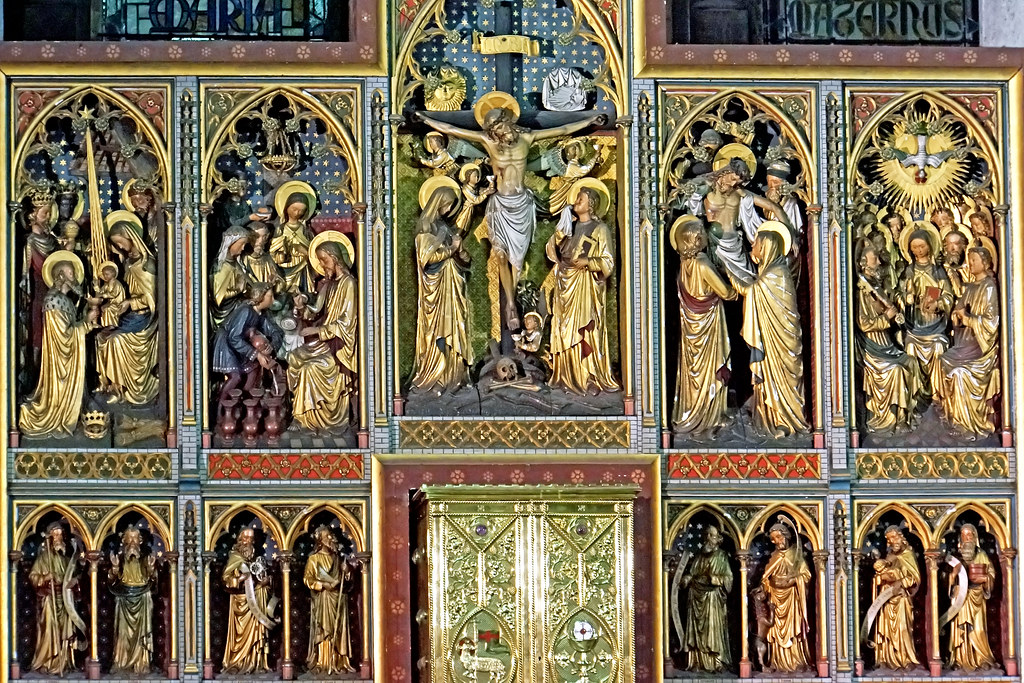
Researching the Heretics
The Renaissance, a time of turmoil
Father Brignon raised his scruffy gray brows. “Some Protestants hate Catholics, and some Catholics hate Protestants. Some Protestants even hate other types of Protestants.” Sighing, he added, “Everyone is a heretic to someone.”
Exerpt: From the Drop of Heaven
The story behind the story
As I was working on my genealogy one day in 2012, I received an email from Françoise Cordier, a cousin that I had never met. She asked if I knew anything about our common great (x12) grandmother, Catherine Cathillon. While I had Catherine’s genealogical record, I knew nothing else about her or the Renaissance.
I never considered writing a novel. I just wanted to understand a woman whose name had nearly vanished into history—Catherine Cathillon, my twelfth-generation grandmother. After speaking with Francoise, though, I felt a jolt that went far beyond curiosity. That thought led me to consider the unimaginable—what Catherine had endured, what so many women endured during the witch hunts that swept through 17th-century Europe. But Catherine wasn’t just a victim to me. She was family. I needed to give her a voice.
Writing From the Drop of Heaven became a way to reach across time to the dark days of the Renaissance, to transform silence into story, and to honor not just her life, but the lives of all those who had been erased. It was never just about history. It was about healing. I found myself researching the heretics.
My husband and I traveled to France to meet Françoise. She showed us the areas of interest in the book from Strasbourg to Nancy. We went to Lake de la Maix, saw the mines and forges, and walked the streets of Vacquenoux. It sounds weird, but I felt like I was breathing the air that my ancient grandparents breathed. It made all the difference.
As I considered Catherine’s world, I found myself walking alongside her—through famine, fear, and faith shaken but not broken. The more I learned about the political, religious, and cultural forces of the Renaissance that shaped her life, the more I realized how little had changed. Women are still silenced. Belief is still weaponized. Fear still breeds injustice.
Françoise and I started writing the book together, but we had different visions for it. She was a journalist and a skilled writer, while I was a software engineer with no aspirations to write. She finished her book years ago and self-published it, while I kept researching the heretics, writing, and rewriting. It wasn’t just an act of remembrance—it became a reflection of my own struggle with illness, loss, and identity. Catherine endured the unendurable. And in writing about her, I began to endure in a different way. Her strength became mine. Her voice, through fiction, found breath again.
Crossing the Finish Line
I literally sent hundreds of queries over the years. I would rewrite the book, send out queries, get rejected, and throw the manuscript in the drawer, but after only a couple of months, I was at it again. This went on for many years until I lost all confidence that I would ever finish. Yet, my ancient grandmother wouldn’t let me quit.
When I joined the Oxford Writing Critique Group, someone suggested that I enter the manuscript in the Florida Writers Association, Royal Palm Literary Awards, and I only entered because I would get a deep critique of the whole book, which is not something you get from a query letter.

Then, to my surprise, I won the Gold Medal for unpublished historical fiction! I am sure that award was the catalyst that made Sunbury Press take notice of my book.
Researching the Heretics
The resources I have listed in the Bibliography are the ones that I have used most often.