
Legend of La Chatte Pendue and the Witchcraft Trials
Tucked deep in the shadowy forests of the Vosges looms a jagged sandstone outcrop with an unsettling name—La Chatte Pendue, or The Hanging Cat. The rock formation juts dramatically from the hillside, its silhouette eerily feline, tail curled as if suspended in time. Local legend has long whispered that a witch’s familiar—a black cat—was hanged there by terrified villagers, desperate to break a curse. Some say the cat’s cries still echo through the forest at dusk. Others believe the stone itself was cursed, and that misfortune followed anyone who dared disturb it.
But beyond its sinister name, La Chatte Pendue reflects the fear and folklore that gripped the region in the 1600s. This was a time when belief in witchcraft wasn’t mere superstition—it was law. Isolated communities, like those in Salm, were especially vulnerable to hysteria. A crop failure, a sick child, a sudden storm—any unexplained hardship could be blamed on a neighbor, especially if she was old, poor, or simply strange. In this world of dark woods and darker fears, places like La Chatte Pendue became more than landscape—they were symbols. Markers of where fear had once turned deadly.
Today, the stone still stands, weathered but resolute. Hikers pass by with water bottles and cameras, rarely knowing the weight of the stories it carries. But for those who stop and listen, the wind through the pines still carries a chill from another time. When I learned of this legend, I had to find a way to include it in the novel, From the Drop of Heaven. Here it is:
La Chatte Pendue : The Hanging Cat of the Vosges
Before the era of the witchcraft trials, there was a period of superstition and rumors. They started quietly, half-formulated whispers and slander, impossible to defend. Still the rumors spread and continued to grow encompassing even the most respected High Stone.
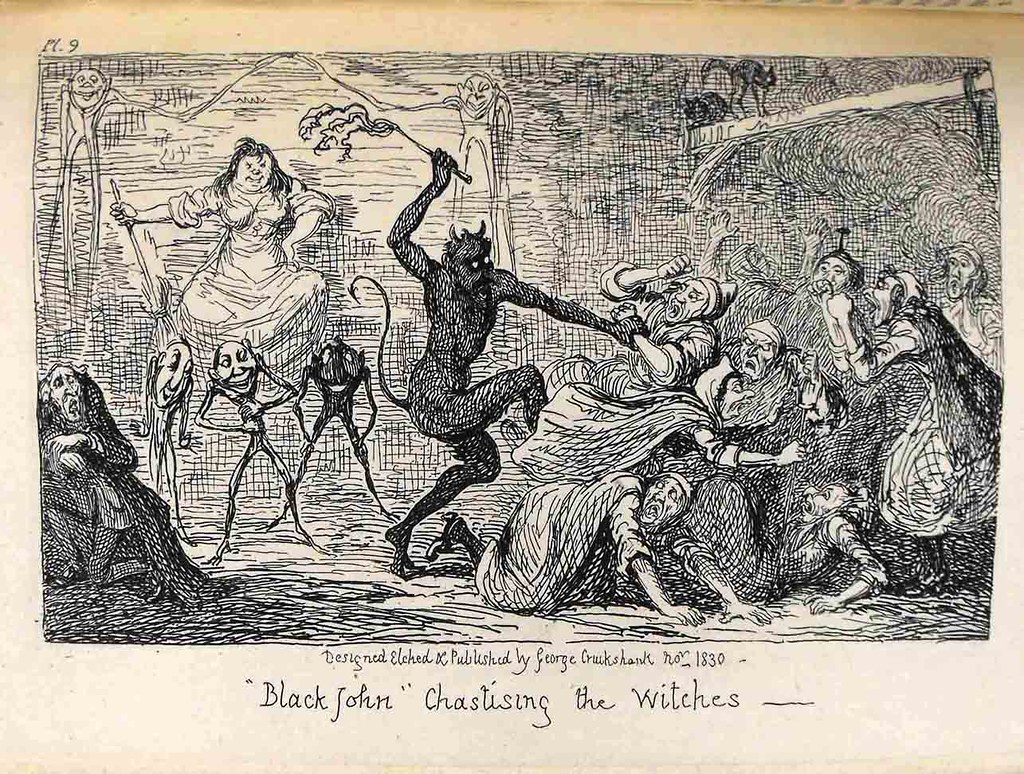
An old woman in the village was clever, a little too clever. One day a young man tried to cheat her, but she outsmarted him. Embarrassed, he started the rumor that the old woman was a witch. Though she tried to defend herself, the old woman had outfoxed the other villagers, as well. She would not outwit them again.
The people of the town got together, carrying their torches. As evening drew near and without even a trial, they dragged her to the highest rock and hanged her.
As the moon rose, they went home in triumph, leaving her hanging from the gallows. The next morning, instead of the old woman, the townspeople found a black cat hanging from the highest rock, La Chatte Pendue. Certainly, she was a witch!
The High Stone
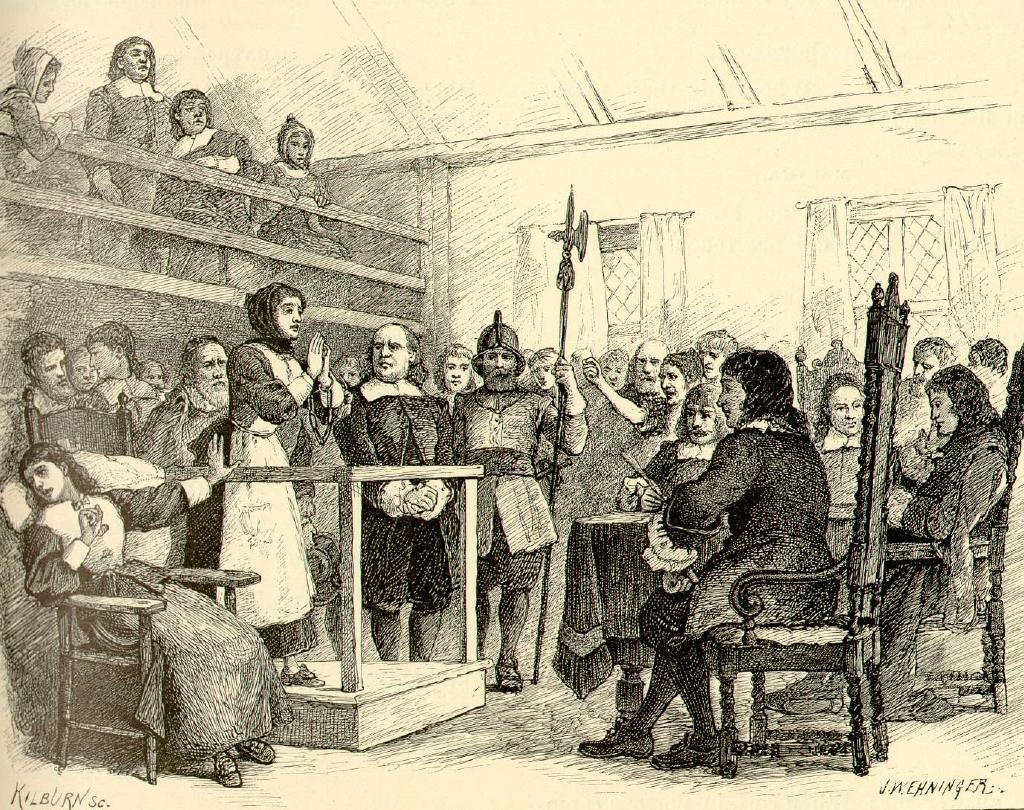
…was very unhappy, saying, “Now, I am complicit to murder. I cannot approve of these witchcraft trials. Someday, If a hearing is ever convened to discuss the madness of men today, they may call upon me to testify to this folly.”
However, the whispering continued.
Next, the townspeople accused the Stones near the Donon. The accusers pointed to indentations in the Stones vaguely resembling footprints.

The witchcraft trials continued and thing spiraled downward until they reached the point where the Elder Stone decided to hold a meeting. She didn’t worry they would burn the stones. How could they? But she was compassionate and open-minded. She saw beyond the Salm to the pyres that burned, one after another. Because the stones were unable to move, she was still considering her options when the Thirty Years War came along. Soon there was no one left to burn.
(inspired by Monique Marie Francois webpage MAGIQUE PAYS DE SALM)
Translation help by: Thomas Shutt, https://www.mainlineediting.com/