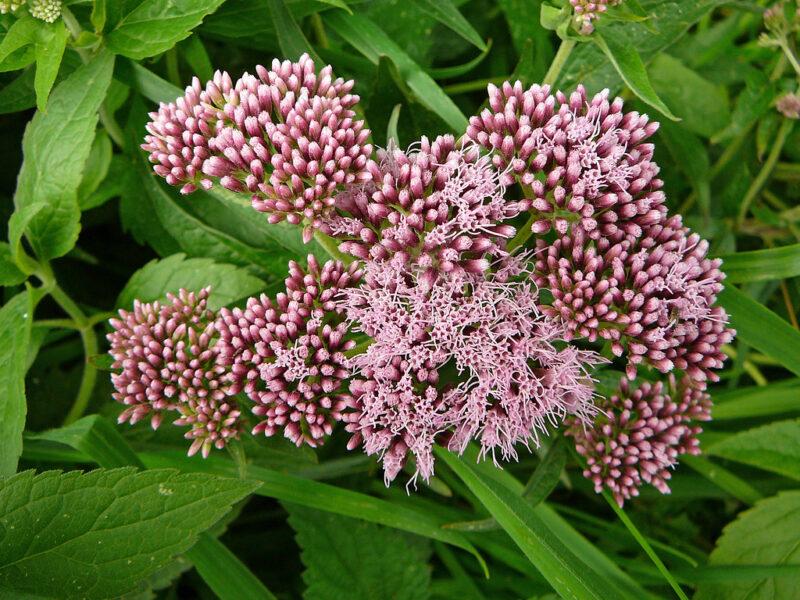
Soapwort grew for years along the edge of the woods behind my house, and though I always loved the burst of color and sweet smell, I never knew its practical value used for soap making.
While Marie did not know how phosphates suspend oil and dirt in water to be rinsed away, she knew that boiling soapwort created foam that would accomplish the same task.
Long before lye and fragrance oils filled modern soap kitchens, our ancestors turned to the wild hillsides and sparsely wooded areas for a gentler kind of clean. One of the oldest natural soap alternatives, soapwort (Saponaria officinalis), was cherished for its sudsy roots and leaves—used to wash delicate fabrics, cleanse skin, and even restore old paintings.
Today, soapwort offers a simple, non-toxic way to make soap at home. Unlike cold-process soapmaking, which involves lye and fat, soapwort soap is a botanical infusion—perfect for sensitive skin, historic reenactments, or anyone looking to reconnect with earth-based traditions.
Sweet William
Sweet William grows in early summer in the rich, well-drained soil along the edge of the meadow where it is shaded from the strong afternoon sun. The leaves are slightly hairy with flowers forming atop the smooth stem. Little fingers appear to reach out from the stem and grab weeds near it to reach its full height of three feet. Left undisturbed, it can be invasive. The prolific pink, sometimes white, flowers burst forth from June to October attracting butterflies and honeybees with their sweet, spicy aroma.
This natural soap is gentle enough for use on wool sweaters or silk blouses without stripping their natural oils. The cleanser made from soapwort makes a nice alternative for sensitive skin or an herbal bath. Leftovers keep better in the refrigerator. If you cannot use it within the week, freeze it to avoid bacterial growth.
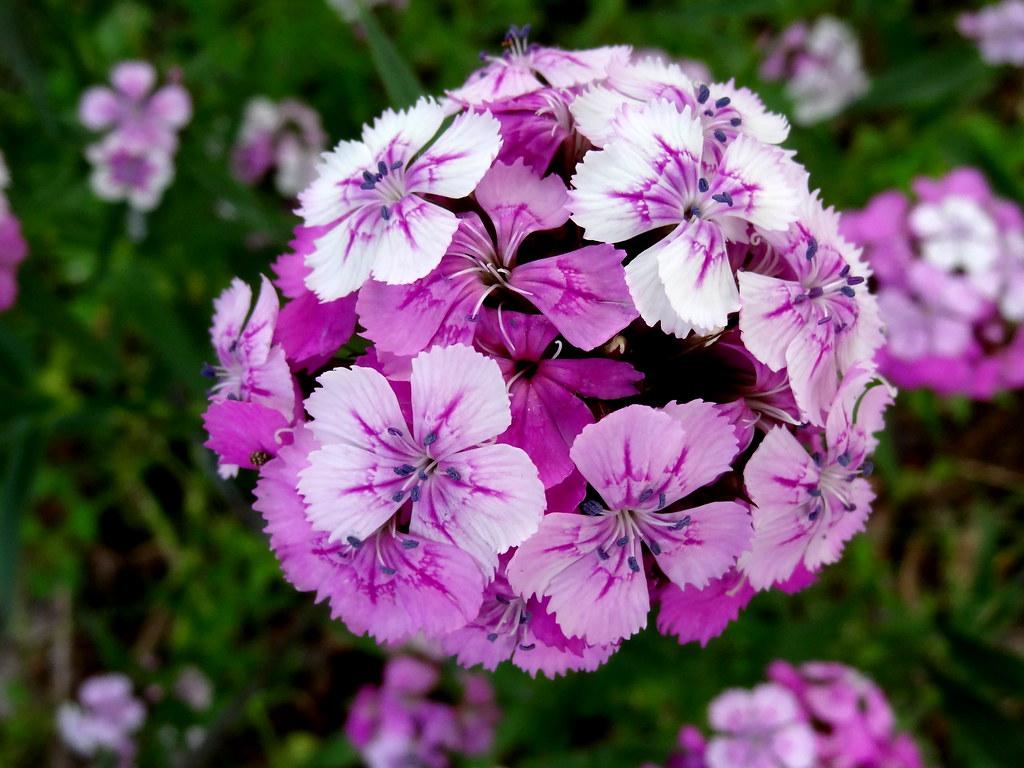
To verify wild sweet william, pick a handful of leaves and flowers, dunk them in a bucket of water, and rub them vigorously between your palms. A cool green lather will form with a fresh outdoorsy scent.
Soap Making
Instructions:
- In the spring, harvest the shallow woody rhizomes, scrub them, and cut them into small chunks. Prepare the plant: Chop the roots (or leaves if you’re using them instead). Fresh or dried both work—roots produce more lather, leaves offer a milder wash.
- Place two handfuls into a quart of boiling water. Return to a boil, and then lower the heat and let simmer for about twenty minutes. Once the mixture cools, run it through the blender, a little at a time. This will create a lot of foam, so allow it to dissolve overnight. Strain the mixture through a sieve to remove the bits of roots. Dry and store these bits to toss in the pot the next time.
- Bottle and store: Keep it in a glass jar in the fridge for up to a week, or freeze in ice cube trays for longer storage. Shake gently before each use.
To use all year long, dry the leaves, flowers, and roots, making sure to turn frequently to avoid mold growth.
As with any soap, do not eat soapwort.
Notes from the Past
Soapwort’s lather is mild but effective—perfect for handwashing lace, wool, or your face. In medieval monasteries and early American settlements, it was a trusted ally for both the washbasin and the apothecary. While it won’t foam like commercial soaps, its silky texture and earthy scent remind us that clean doesn’t have to mean chemical.
For a slice of life in the 1600s, read about my ancestors’ lives in From the Drop of Heaven.
Source: Hitchcock, Susan Tyler. Gather Ye Wild Things: A Forager’s Year. New York: Harper & Row, 1980. Print